Tome Brings Local AI Meeting Transcription to Obsidian
Tome Brings Local AI Meeting Transcription to Obsidian
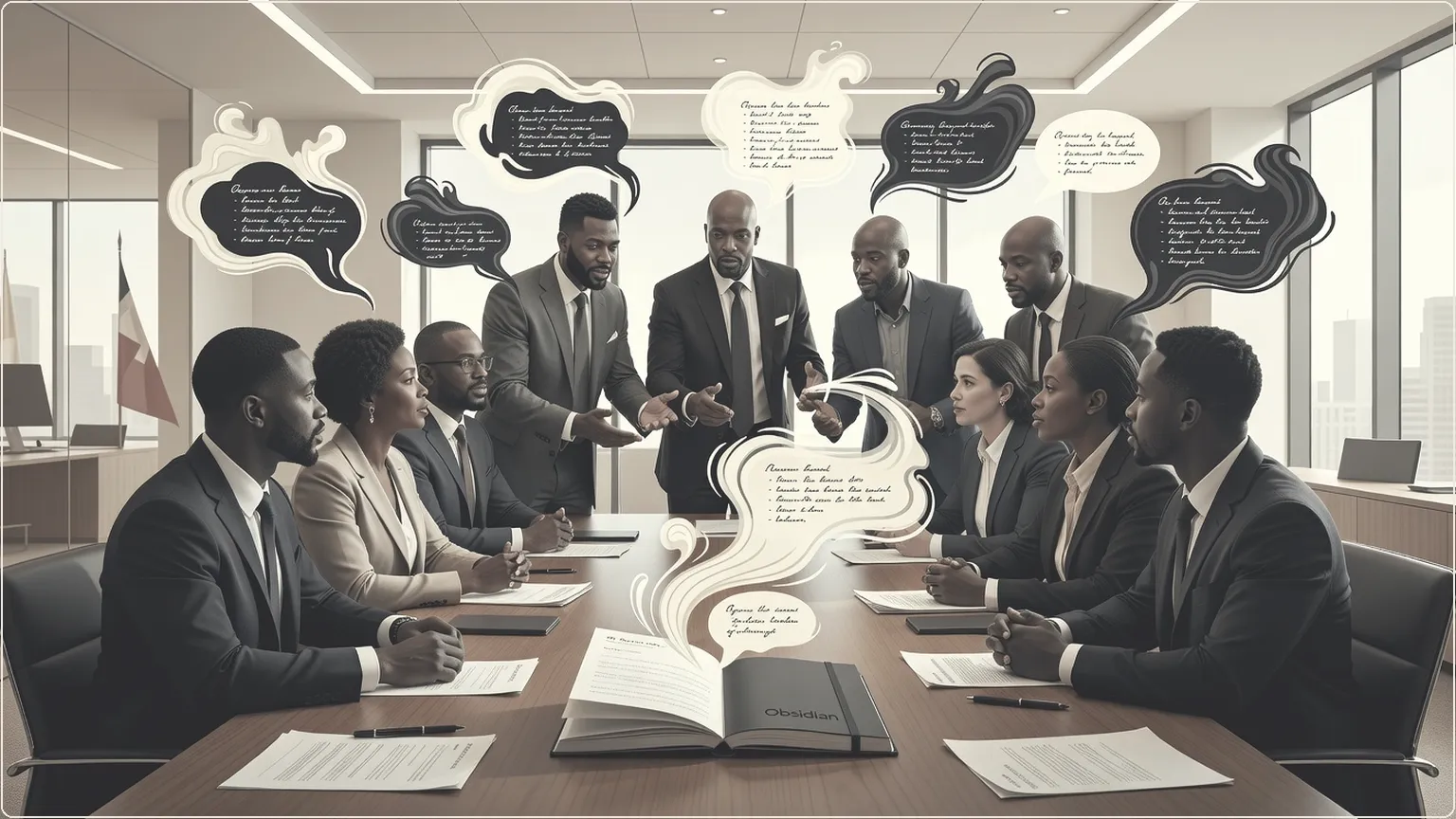
A new open-source macOS app called Tome is making waves in the personal knowledge management community by offering completely local meeting transcription with direct Obsidian integration [1][2]. Built for Apple Silicon, Tome captures system audio or microphone input from Zoom, Google Meets, or Teams, then uses local ASR models like Parakeet for transcription with speaker diarization.
The app exports structured Markdown notes directly to Obsidian vaults without any cloud services or subscriptions, addressing privacy concerns that have long plagued meeting transcription tools [1]. Released just a week ago, it's designed for seamless meeting-to-knowledge workflows and can trigger agent follow-ups on action items.
The Obsidian community has responded enthusiastically, praising both the privacy-first approach and the tight integration for building personal knowledge bases from meetings [2]. This represents a growing trend toward local-first AI tools that keep sensitive meeting data on-device.
IBM's Docling Transforms Document Parsing for AI Workflows
IBM's open-source Docling toolkit is setting new standards for document parsing in RAG pipelines, handling everything from PDFs and DOCX files to PPTX presentations, HTML, LaTeX, images, and audio [1][3]. The system excels at advanced layout detection, table preservation, formula extraction, and chart understanding while maintaining reading order accuracy.
With over 4 million downloads per month, Docling outperforms traditional parsers on multimodal elements and outputs structured data optimized for vector databases and RAG pipelines [1]. It integrates seamlessly with IBM's Granite models for enterprise question-answering systems [2].
Enterprise users are highlighting Docling's crucial role in clean data ingestion, enabling more accurate RAG systems from unfiltered enterprise documents that typically contain complex layouts and mixed media elements [1].
What This Means For Your Meetings
The convergence of local AI processing, extended-context transcription, and seamless knowledge base integration is fundamentally changing how professionals capture and retrieve meeting intelligence. Microsoft's VibeVoice addresses the technical limitations that have made long-form meeting transcription unreliable, while Tome demonstrates that privacy-conscious users no longer need to choose between functionality and data control.
These developments signal a maturation of the meeting intelligence space, where the focus is shifting from basic transcription to sophisticated knowledge workflows. The ability to process hour-long sessions with consistent speaker tracking, combined with direct integration into personal knowledge systems like Obsidian, creates new possibilities for how teams build institutional memory from their conversations.
For organizations building meeting intelligence capabilities, the emphasis on local processing and open-source solutions suggests that vendor lock-in concerns are driving adoption decisions. Key takeaway: The meeting transcription landscape is rapidly moving toward local-first, context-aware systems that integrate directly into existing knowledge workflows rather than creating isolated transcription silos.
Sources
- https://github.com/microsoft/VibeVoice
- https://microsoft.github.io/VibeVoice
- https://techcommunity.microsoft.com/blog/azure-ai-foundry-blog/introducing-vibevoice-asr-longform-structured-speech-recognition-at-scale/4501276
- https://huggingface.co/microsoft/VibeVoice-ASR
- https://github.com/Gremble-io/Tome
- https://www.reddit.com/r/ObsidianMD/comments/1qw3753/i_built_a_native_localonly_transcription
- https://github.com/docling-project/docling
- https://www.ibm.com/think/tutorials/build-document-question-answering-system-with-docling-and-granite
- https://docling-project.github.io/docling
Get the daily briefing
AI, knowledge graphs, and the future of work — in your inbox every morning.
No spam. Unsubscribe anytime.