Notta Brain Turns Meeting Archives Into a Searchable Knowledge Engine
Notta Brain Turns Meeting Archives Into a Searchable Knowledge Engine
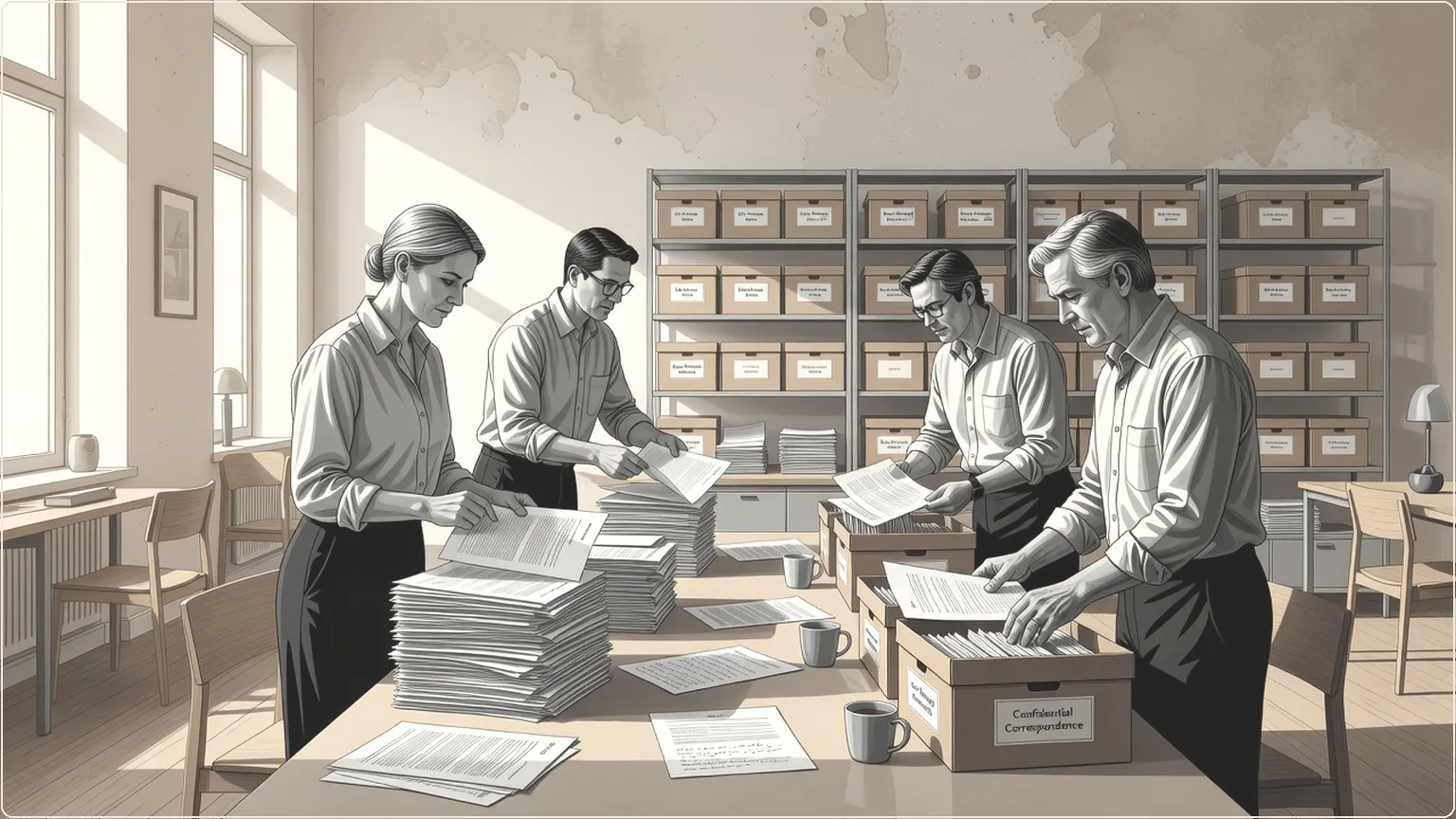
Notta has rebuilt its AI Chat feature into "Notta Brain," and the upgrade is significant: it now reasons across your entire meeting history — transcripts, past notes, and uploaded files — rather than answering questions about a single call [1][2]. That's a meaningful shift from transcription tool to knowledge layer.
The feature auto-generates reports, slides, tables, infographics, and drafts from patterns it spots across meetings, with support for 58 languages and integrations into Slack and LINE for scheduled tasks [3]. Early reaction on X frames it as a genuine productivity multiplier for teams buried in recurring meetings and scattered files — the pitch is less "better notes" and more "your meetings become an institutional memory you can query."
It's a clear signal of where the category is heading: single-meeting summarization is table stakes now. The competitive edge is in cross-meeting synthesis — turning six months of conversations into one coherent answer.
HyDE Technique Quietly Fixes a Big RAG Problem
A less flashy but arguably more important story: HyDE (Hypothetical Document Embeddings) is gaining traction as a way to fix retrieval-augmented generation systems that confidently pull the wrong chunks. The trick is simple — generate a hypothetical answer to the query first, embed that instead of the raw query, and search against it. Elastic reports up to 50% precision and recall gains on short or informal queries matched against formal documents, with zero retraining or reindexing required [1][2][3].
This matters directly for any tool built on conversational data — meeting transcripts are informal, fragmented, and full of vocabulary gaps versus the polished documents they often need to be matched against. Commentary on X frames HyDE as a practical, prompt-time fix rather than a heavyweight fine-tuning project, which makes it attractive for teams shipping retrieval features fast.
EU AI Act Transparency Rules Now Live — Meeting Tools Are in Scope
Article 50 of the EU AI Act took effect August 2, 2026, and it's not a soft launch. Providers must now disclose AI interactions, mark AI-generated audio, image, video, and text in machine-readable form, and deployers must inform users when emotion-recognition or biometric categorization systems are in play — with a transitional grace period only for pre-existing systems, running to December 2, 2026 [1][2][3].
The European Commission's guidelines, published July 20, 2026, leave little ambiguity, and the penalties are real: up to €15 million or 3% of global annual turnover [2][3]. Any AI system touching the EU market qualifies — which very much includes meeting transcription and content-generation tools that process voice, identify speakers, or produce AI-written summaries. X discussion has focused squarely on compliance anxiety, especially around the 3% turnover exposure for smaller AI vendors.
What This Means For Your Meetings
Two forces are converging on the meeting intelligence category right now: the tools are getting smarter at synthesis, and the regulatory ground under them is getting firmer. Notta Brain's cross-meeting reasoning and Granola's decision-focused notes both point toward the same destination — your meeting history stops being a pile of transcripts and becomes a queryable knowledge base. That's precisely the terrain Proudfrog was built for, and HyDE-style retrieval improvements matter enormously here: the whole value of a knowledge graph across hundreds of meetings collapses if a vague, informally-worded query can't find the right decision buried three months back.
At the same time, the EU AI Act's Article 50 obligations aren't abstract policy — they're a direct compliance requirement for any tool that transcribes, identifies speakers, or generates AI summaries from your meetings. Nordic and European teams building or buying meeting intelligence tools now need clear disclosure of AI involvement and machine-readable marking on generated content, with real financial teeth behind non-compliance. For a Nordic-built tool, this is a natural fit rather than friction — but it raises the bar for every vendor operating in this space.
Put together: the winners in this category won't just transcribe well or summarize concisely — they'll retrieve accurately across a growing archive, and do it inside a transparent, compliant framework. Precision retrieval and regulatory trust are becoming the same conversation.
Key takeaway: As meeting archives grow into full knowledge bases, the tools that win will combine sharp cross-meeting retrieval (à la HyDE) with EU-grade transparency built in from day one — not bolted on later.
Sources
- https://cluely.com/blog/otter-ai-alternatives
- https://www.atlasworkspace.ai/blog/best-meeting-notes-app
- https://get-alfred.ai/blog/granola-vs-otter
- https://www.notta.ai/en/features/notta-brain
- https://support.notta.ai/hc/en-us/articles/46063273145627-Notta-Brain-Beginner-s-Guide
- https://www.notta.ai/news/release/notta-brain-new-features
- https://www.elastic.co/search-labs/blog/hyde-semantic-search-elasticsearch
- https://outcomeschool.com/blog/how-does-hyde-work
- https://www.citiumtech.com/insights/why-your-rag-retrieves-the-wrong-chunks
- https://digital-strategy.ec.europa.eu/en/library/guidelines-transparency-obligations-providers-and-deployers-ai-systems
- https://www.goodwinlaw.com/en/insights/publications/2026/08/alerts-technology-dpc-eu-ai-act-transparency-obligations-now-in-force
- https://www.cooley.com/news/insight/2026/2026-08-03-eu-ai-act-transparency-obligations-take-effect-2-august-2026
Get the daily briefing
AI, knowledge graphs, and the future of work — in your inbox every morning.
No spam. Unsubscribe anytime.